Plan the hours between sets
Music fills only part of a festival day. The rest goes to getting in, getting fed, staying cool, finding friends and getting home in one piece. Those hours decide whether you remember the headliner or the two-hour wait for a ride. A little planning moves the friction out of the way so the music gets your full attention.
Travel steps in the right order
- Confirm the dates, the gate location and whether your ticket covers camping or parking.
- Choose how you'll arrive and leave before booking lodging, since each depends on the other.
- Book lodging or camping arrangements and note the cancellation terms.
- If you're flying, check airline and TSA rules for gear, batteries and medication you plan to carry.
- Read the event's bag policy and prohibited items list, then build your packing list from it.
- Activate wristbands or digital tickets as instructed and save confirmations offline.
- Plan a realistic arrival window, because entry lines on the first day can be long.
- Agree on a departure plan, including who drives and whether they'll be rested.
Getting to the gates
City festivals usually favor public transit and rideshare, with designated pickup zones that can be a long walk from the exits. Some events run official shuttles from fixed points in town, often sold as an add-on. Camping festivals lean on cars, with parking or car-camping passes and slow-moving entry lines on arrival day. If you drive, expect heavy traffic near the site and follow event signs and staff, since local roads are often rerouted in ways map apps don't reflect.
Packing checklist
Treat this as a starting point and check every item against the event's own rules, which vary.
- Ticket or wristband, plus photo ID
- A bag that meets the stated size and type rules
- Refillable water bottle or hydration pack, if allowed
- Sunscreen, a hat and sunglasses
- Earplugs designed for live music
- Warm layers for the evening and a light rain shell
- Comfortable shoes that are already broken in
- Portable phone charger, if allowed
- Prescribed medication in its original packaging
- A little cash as a backup to cards or cashless wristbands
- For camping: tent, sleeping bag suited to night temperatures, headlamp and trash bags
Heat, water and pacing
Long days of sun, crowds and loud sound wear people down faster than they expect. Drink water regularly, eat real meals, find shade in the afternoon and sit down whenever you get the chance. Locate the medical tents and water stations on the map when you arrive. If you or a friend feels faint, confused or unwell, go to medical staff early; they're there for exactly that. This is general information, not medical advice, and anyone with a health condition should talk to a doctor before the trip.
Money, phones and meeting up
Many US festivals use cashless payment linked to a wristband, while some vendors still take cards or cash. Food and drink inside the grounds usually cost more than outside, so budget for it. Phone signal often weakens when crowds peak, and messages can lag or fail. Screenshot tickets and maps, save battery for the ride home and agree on a physical meeting spot.
The walk out at night
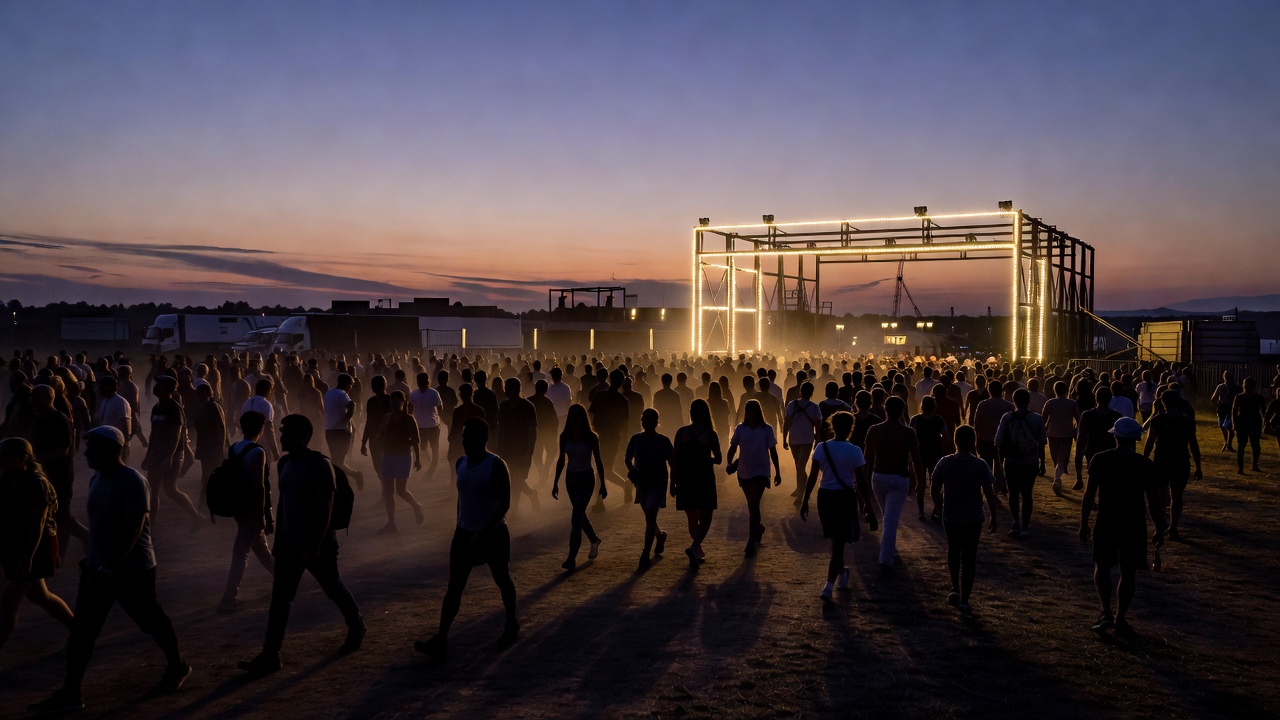
The end of the final set is often the most stressful moment of the day. Thousands of people leave together, ride prices jump and transit fills. Leaving a few minutes early or waiting until the rush thins both work; decide which in advance. Never get into a car with a driver who has been drinking or is too tired to drive safely.