A setting for each listening style
Two festivals with nearly identical lineups can feel like completely different trips. One ends each night with a hot shower across town; the other ends with a headlamp and a zipped tent. Before you study who's playing, decide what kind of days you want to live through. The format sets your sleep, your spending and how much energy you'll have left for the music.
City grounds: the bed waits across town
Urban festivals usually take over a large park, waterfront, fairground or stadium lot inside or near a city. You arrive in the morning or afternoon, stay until the last set and leave with everyone else. The upside is obvious: real sleep, real food options and the freedom to skip a day if your legs give out. Many city events also sell single-day passes, which makes them a low-commitment first try.
The trade-offs are quieter but real. Lodging near big events can climb steeply in price, so plenty of people stay farther out and rely on transit. Exits at the end of the night are crowded, and rideshare pickup zones can mean long waits. City sites often have firm sound curfews, so the music stops at a set hour and late-night sets are rare.
Camping grounds: the festival never fully switches off
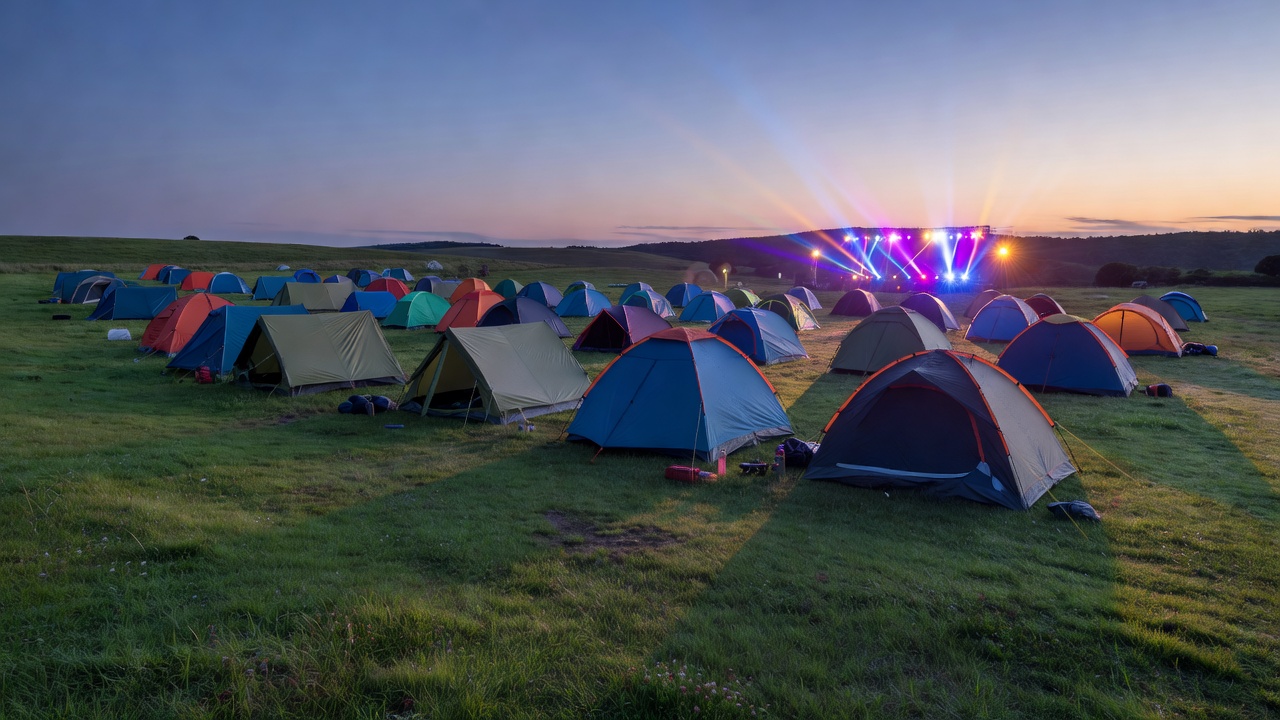
Camping festivals tend to run on farmland, ranches or dedicated event grounds well outside city limits. A weekend ticket often includes general camping, while options such as car camping, RV spots or pre-pitched tents may be sold separately. The draw is the community: you share breakfast with neighbors, catch late sets and wake up already inside the event.
What it asks in return: lighter sleep, limited or paid showers, and a long walk back to camp for anything you forgot. Weather matters more because there's nowhere to escape it. A camping weekend rewards preparation and a group that shares chores without arguing about them.
Remote and destination events
Some festivals sit hours from the nearest large city, in desert, mountain or forest country. Getting there can mean a flight, a rental car and a shuttle, or a long drive on roads that clog on arrival day. Services are thin, so you bring much of what you need. Temperatures can swing hard between afternoon and night. These events can be unforgettable, but they suit people with time off on either side and some outdoor experience.
Small gatherings and single-genre weekends
Smaller events trade scale for ease. Fewer stages mean shorter walks and fewer painful clashes, and smaller crowds make it easier to find friends or reach the front. Single-genre festivals, from jazz and bluegrass to electronic and metal, draw a crowd that shares a musical vocabulary. The catch is variety: if your group has mixed tastes, someone may spend a lot of time waiting for their kind of set.
Ticket terms worth knowing
- General admission (GA)
- Standard entry to the festival grounds, without extra viewing areas or amenities.
- Single-day ticket
- Entry for one named day. Common at city festivals, less common at camping events.
- Weekend or multi-day pass
- Entry for every festival day; sometimes the only option at camping events.
- VIP or premium tiers
- Upgrades that may add separate entrances, viewing areas, shaded lounges or better restrooms. Inclusions vary by event, so read each tier description line by line.
- Camping pass
- Permission to stay on site. It may be bundled or sold separately and may specify tent, car or RV.
- Wristband
- The physical ticket at many US festivals, often activated online before arrival and sometimes linked to cashless payment.
Quick self-check before you choose
- I know whether I need a bed and a shower every night.
- I've checked how far the site is from where I'd sleep.
- I've looked at typical weather for that place and season.
- My group agrees on a single day versus the full weekend.
- I've compared what each ticket tier actually includes.
- I know whether the event's terms allow transfers or resale.